

Biochemical and Molecular Engineering XXIV
Keynote Speakers

Kirsten Benjamin
Executive Vice President of R&D
Oath, Inc.
USA
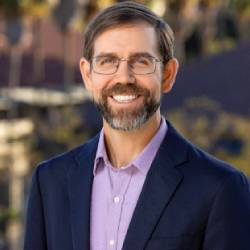
Michael Jewett
Charles Deering McCormick Professor of Teaching Excellence, the Walter P. Murphy Professor of Chemical and Biological Engineering, and Director of the Center for Synthetic Biology
Northwestern University
USA

Shyam Subramanian
Vice President, Technical Development and CMC Strategy
Moderna, Inc.
USA
Invited Speakers
Hal Alper, University of Texas at Austin (USA)
Scott Banta, Columbia University (USA)
Wilfred Chen, University of Delaware (USA)
Tara Deans, Georgia Institute of Technology (USA)
Ariel Furst, Massachusetts Institute of Technology (USA)
Jay Keasling, University of California Berkeley (USA)
Keith Keitz, University of Texas at Austin (USA)
Albert Keung, North Carolina State University (USA)
Sijin Li, Cornell University (USA)
Thomas Mansell, Iowa State University (USA)
Costas Maranas, Pennsylvania State University (USA)
Anne S. Meyer, University of Rochester (USA)
Nikhail U. Nair, Tufts University (USA)
Eleftherios Papoutsakis, University of Delaware (USA)
Brian F. Pfleger, University of Wisconsin Madison (USA)
Kristala Prather, Massachusetts Institute of Technology (USA)
Kevin Solomon, University of Delaware (USA)
Jamie Spangler, Johns Hopkins University (USA)
Mark Styczynski, Georgia Institute of Technology (USA)
Qing Sun, Texas A&M University (USA)
Yi Tang, University of California Los Angeles (USA)
Ross Thyer, Rice University (USA)
Bryan Tracy, Superbrewed Foods (USA)
Ian Wheeldon, University of California Riverside (USA)
Julie Willoughby, TerraSafe Materials (USA)
Eric Young, Worcester Polytechnic Institute (USA)
Huimin Zhao, University of Illinois Urbana Champaign (USA)
Session Descriptions
Session 1: Harnessing the Power of Communities for a Stronger Biotech Future
Biotechnology is increasingly shaped by the dynamic interactions within and between communities—both microbial and human. This session will explore how leveraging the power of communities and collaborative networks can unlock new opportunities in biochemical and molecular engineering. Topics will include the role of microbial consortia in bioproduction, bioremediation, and synthetic biology; strategies for engineering stable, high-performing microbial ecosystems; and how interdisciplinary partnerships accelerate innovation. By connecting biological and social communities, we aim to highlight approaches that foster resilience, sustainability, and scalability in the biotech sector and can drive a stronger, more integrated biotech future
Session 2: Discovery and Manufacturing of Biopharmaceuticals
Biopharmaceuticals represent one of the fastest-growing sectors in biotechnology, driving advances in therapeutics for complex diseases. This session will focus on the integrated pipeline from early-stage discovery to large-scale manufacturing. Key topics include cutting-edge approaches for identifying novel biologics, optimizing protein expression systems, and engineering cell lines for improved yield and quality. We will also explore innovations in process development, continuous manufacturing, and analytical technologies that ensure safety, efficacy, and regulatory compliance. By bridging molecular design with scalable production, this session highlights strategies to accelerate time-to-market and meet global demand for life-saving biopharmaceuticals.
Session 3: Constructing and Deconstructing Materials
This session will explore innovations in the synthesis and assembly of advanced materials, including bio-based polymers, hybrid composites, and living materials that integrate biological functionality. Equally important is the ability to deconstruct: breaking down bio-based and abiotic materials for recycling, upcycling, and resource recovery. Talks will cover strategies for designing materials with end-of-life considerations, enzymatic and microbial approaches for biodegradation, and the role of synthetic biology in creating adaptive, self-healing systems. By bridging construction and deconstruction, this session highlights pathways toward sustainable, circular material economies and transformative applications in biotechnology.
Session 4: Food and Agricultural Applications
Advances in biochemical and molecular engineering are transforming how we produce, process, and sustain food and agricultural systems. This session will explore cutting-edge innovations that enhance crop productivity, improve food quality, and enable sustainable farming practices. Topics include engineering microbial communities for soil health, developing bio-based fertilizers and biopesticides, and leveraging synthetic biology for resilient crops. We will also examine bioprocessing strategies for alternative proteins, fermentation-based food production, and approaches to reduce waste through circular bioeconomy principles. By integrating biotechnology with agriculture, this session highlights solutions to meet global food security challenges while minimizing environmental impact.
Session 5: Design and Applications of Biomolecular Sensors
Biomolecular sensors are revolutionizing how we detect, monitor, and respond to biological and chemical signals in real time. This session will focus on the principles and innovations behind sensor design, including nucleic acid-based sensors, protein and enzyme-driven detection systems, and synthetic biology approaches for programmable sensing. Applications span healthcare diagnostics, environmental monitoring, industrial bioprocess control, and food safety. We will also explore integration with digital platforms, miniaturization for point-of-care use, and strategies for enhancing sensitivity, specificity, and robustness in complex environments. By bridging molecular engineering with practical deployment, this session highlights how biomolecular sensors are shaping the future of precision biotechnology.
Session 6: Emerging Technologies and Alternative Perspectives
Innovation in biochemical and molecular engineering often comes from challenging conventional approaches and embracing disruptive technologies. This session will spotlight emerging tools and methodologies that are redefining research and industrial practices. We will also explore alternative perspectives that question traditional paradigms, including decentralized biomanufacturing, open-source biotechnology, and unconventional feedstocks for bioprocessing. By fostering dialogue on bold ideas and transformative technologies, this session aims to inspire new directions for sustainable, equitable, and resilient biotech solutions.
Session 7: Biochemical Production Innovations
Advances in biochemical production are redefining how we create fuels, chemicals, and high-value products from renewable resources. This session will highlight breakthroughs in metabolic engineering, synthetic biology, and process intensification that enable efficient, scalable, and sustainable production systems. Topics include novel microbial and enzymatic platforms, optimization of biocatalytic pathways, and integration of continuous bioprocessing technologies. We will also explore strategies for improving yield, reducing energy consumption, and leveraging non-traditional feedstocks to support a circular bioeconomy. By combining cutting-edge science with industrial application, this session showcases innovations that are driving the next generation of biochemical manufacturing.
Call for Abstracts
One-page abstracts should be submitted as soon as possible and no later than the
deadlines noted below. The abstract should include both the significance of th
research as well as results that will be discussed in order to allow a scientific
assessment of the work by the organizers.
Please choose at least one, and up to three, of the most relevant session topics, as noted in the sessions listed above, where you believe your work fits best.
Oral abstract submission deadline: April 15, 2026
Poster abstract submission deadline: April 15, 2026

- Abstracts must be submitted electronically and prepared according to this template: docx or doc.
- All submissions will be considered for both oral and poster presentation.
- Abstracts of all presentations will be made available to conference participants prior to the start of the conference.
Awards will be presented to the top poster presentations.
Poster Guidelines
The best posters display a succinct statement of major conclusions at the beginning, followed by supporting text in later segments and a brief summary at the end. Click here for instructions and more information.
Poster Size: 1.0 meter wide and 1.5 meters in length (Portrait style).